Buy revolutiondigital.eu ?
We are moving the project
revolutiondigital.eu .
Are you interested in purchasing the domain
revolutiondigital.eu ?
domain@kv-gmbh.de · 0541-91531010
Buy revolutiondigital.eu ?
What are the chain rule and product rule?
The chain rule is a formula used in calculus to find the derivative of a composite function. It states that the derivative of a composite function is the derivative of the outer function evaluated at the inner function, multiplied by the derivative of the inner function. The product rule is a formula used to find the derivative of a product of two functions. It states that the derivative of a product of two functions is the derivative of the first function times the second function, plus the first function times the derivative of the second function. **
What is the difference between the linear chain rule and the normal chain rule?
The linear chain rule is a specific case of the normal chain rule, which applies when the function being differentiated is a linear function. In the linear chain rule, the derivative of the outer function is simply multiplied by the derivative of the inner function. On the other hand, the normal chain rule is a more general rule that applies to composite functions, where the derivative of the outer function is multiplied by the derivative of the inner function, but also includes the derivative of the inner function with respect to the variable being differentiated. In summary, the linear chain rule is a special case of the normal chain rule that applies specifically to linear functions. **


Similar search terms for Chain rule
Top-Angebote
Products related to Chain rule:
-
Uplifted Finds Cats Rule Earth Tarot Deck 78 Card Professional Divination English Edition Oracle Cats Rule Earth Tarot Deck 78 Card Professional Divination English Edition OracleCommand ultimate spiritual confidence with the Cats Rule Earth Tarot System, a highperformance metaphysical solution specifically engineered to act as a comprehensive tool for elite organization and superior technical ergonomics. Built with a robust...46,97 $*Shipping: 0,00 $Secure redirect to the provider
-
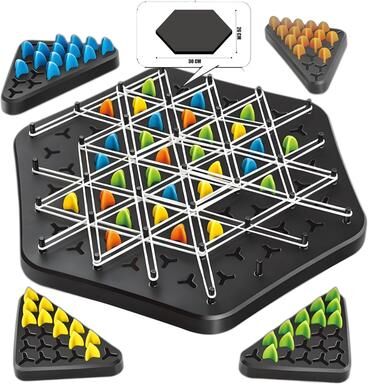
Uplift Picks Triangle Strategy Board Game Chain Chess Family Fun Logic Game 24x21 CmBring excitement to your game nights with this engaging strategy board game designed to challenge your thinking and spark fun competition. Perfect for both kids and adults, this family board game combines logic, planning, and interactive play. Its...47,98 $*Shipping: 0,00 $Secure redirect to the provider
-
Uplift Treasures Triangle Chain Strategy Board Game For Kids And Adults 11.81 10.24 InProduct Description Challenge your logic and strategy skills with this triangle chain board game designed for both kids and adults. Easy to learn yet deeply engaging, it encourages critical thinking and friendly competition. A perfect choice for...65,97 $*Shipping: 0,00 $Secure redirect to the provider
-
Uplift Treasures Creative Rope Wine Bottle Holder Snake Chain Suspension Display Rack For Home Decoration bronze ChainProduct Description: Add a bold, eyecatching touch to your home with this Creative Rope Wine Bottle Holder, designed to make your wine appear as if its floating in midair. Its artistic rope or serpentine chain design brings a unique decorative flair...60,97 $*Shipping: 0,00 $Secure redirect to the provider




-
What is the chain rule and the product rule?
The chain rule is a rule in calculus that allows us to find the derivative of a composite function. It states that if we have a function within another function, we can find the derivative by taking the derivative of the outer function and multiplying it by the derivative of the inner function. The product rule is another rule in calculus that allows us to find the derivative of a product of two functions. It states that the derivative of the product of two functions is equal to the derivative of the first function times the second function, plus the first function times the derivative of the second function. Both the chain rule and the product rule are fundamental tools in calculus that help us find the derivatives of more complex functions by breaking them down into simpler components. **
-
What is the chain rule or product rule in mathematics?
The chain rule in mathematics is a formula used to find the derivative of a composite function. It states that the derivative of a composite function is the derivative of the outer function evaluated at the inner function, multiplied by the derivative of the inner function. The product rule, on the other hand, is a formula used to find the derivative of a product of two functions. It states that the derivative of a product of two functions is the derivative of the first function times the second function, plus the first function times the derivative of the second function. Both rules are fundamental in calculus and are used to find derivatives of more complex functions. **
-
How do you derive the chain rule?
The chain rule is derived by applying the concept of composite functions and using the definition of the derivative. When we have a function composed of two functions, f(g(x)), the chain rule states that the derivative of this composite function is the derivative of the outer function evaluated at the inner function, multiplied by the derivative of the inner function. This can be proven by considering the limit definition of the derivative and applying the composition of functions. The chain rule is a fundamental rule in calculus that allows us to find the derivative of composite functions efficiently. **
-
How is the chain rule applied here?
The chain rule is applied in this context by breaking down the function into smaller, more manageable parts. This allows us to differentiate each part separately and then combine the results using the chain rule. By doing so, we can find the derivative of a composite function, where one function is nested within another. This is particularly useful when dealing with functions that are not easily differentiable using basic differentiation rules. **

What is the product and chain rule?
The product rule is a formula used to find the derivative of a product of two functions. It states that the derivative of the product of two functions is equal to the derivative of the first function times the second function, plus the first function times the derivative of the second function. The chain rule is a formula used to find the derivative of a composition of two functions. It states that the derivative of the composition of two functions is equal to the derivative of the outer function evaluated at the inner function, multiplied by the derivative of the inner function. Both rules are fundamental tools in calculus for finding the derivatives of more complex functions. **
What is the chain rule for differentiation?
The chain rule for differentiation is a rule that allows us to find the derivative of a composite function. In other words, if we have a function that is composed of two or more functions, the chain rule tells us how to find the derivative of the entire composite function. The chain rule states that the derivative of a composite function is equal to the derivative of the outer function evaluated at the inner function, multiplied by the derivative of the inner function. This rule is essential for finding the derivatives of more complex functions and is widely used in calculus and other areas of mathematics and science. **
Top-Angebote
Products related to Chain rule:
-
Penguin Rule #1: The Simple Strategy for Successful Investing in Only 15 Minutes a WeekPhil Town doesn't think so. He made a fortune, and in Rule #1 he'll show you how he did it.Rule #1:- Sets out the five key numbers that really count when you're buying stocks and shares- Explains how to use new Internet tools to simplify research- Shows how to exploit the advantages of being an individual investor- Demonstrates how to pay fifty pence for every pound's worth of business6,70 £*Shipping: 2,99 £Secure redirect to the provider
-
Branches Readers Continue the Series: Pets Rule! #2-5Continue the Series!If you've read the first book and enjoyed it, now you can continue where you left off with this favorite series.This series is part of Scholastic's early chapter book line, Branches, aimed at newly independent readers. With...22,99 $*Shipping: 0,00 $Secure redirect to the provider
-
Uplifted Finds Cats Rule Earth Tarot Deck 78 Card Professional Divination English Edition Oracle Cats Rule Earth Tarot Deck 78 Card Professional Divination English Edition OracleCommand ultimate spiritual confidence with the Cats Rule Earth Tarot System, a highperformance metaphysical solution specifically engineered to act as a comprehensive tool for elite organization and superior technical ergonomics. Built with a robust...46,97 $*Shipping: 0,00 $Secure redirect to the provider
-
Uplift Picks Triangle Strategy Board Game Chain Chess Family Fun Logic Game 24x21 CmBring excitement to your game nights with this engaging strategy board game designed to challenge your thinking and spark fun competition. Perfect for both kids and adults, this family board game combines logic, planning, and interactive play. Its...47,98 $*Shipping: 0,00 $Secure redirect to the provider
-
What are the chain rule and product rule?
The chain rule is a formula used in calculus to find the derivative of a composite function. It states that the derivative of a composite function is the derivative of the outer function evaluated at the inner function, multiplied by the derivative of the inner function. The product rule is a formula used to find the derivative of a product of two functions. It states that the derivative of a product of two functions is the derivative of the first function times the second function, plus the first function times the derivative of the second function. **
-
What is the difference between the linear chain rule and the normal chain rule?
The linear chain rule is a specific case of the normal chain rule, which applies when the function being differentiated is a linear function. In the linear chain rule, the derivative of the outer function is simply multiplied by the derivative of the inner function. On the other hand, the normal chain rule is a more general rule that applies to composite functions, where the derivative of the outer function is multiplied by the derivative of the inner function, but also includes the derivative of the inner function with respect to the variable being differentiated. In summary, the linear chain rule is a special case of the normal chain rule that applies specifically to linear functions. **
-
What is the chain rule and the product rule?
The chain rule is a rule in calculus that allows us to find the derivative of a composite function. It states that if we have a function within another function, we can find the derivative by taking the derivative of the outer function and multiplying it by the derivative of the inner function. The product rule is another rule in calculus that allows us to find the derivative of a product of two functions. It states that the derivative of the product of two functions is equal to the derivative of the first function times the second function, plus the first function times the derivative of the second function. Both the chain rule and the product rule are fundamental tools in calculus that help us find the derivatives of more complex functions by breaking them down into simpler components. **
-
What is the chain rule or product rule in mathematics?
The chain rule in mathematics is a formula used to find the derivative of a composite function. It states that the derivative of a composite function is the derivative of the outer function evaluated at the inner function, multiplied by the derivative of the inner function. The product rule, on the other hand, is a formula used to find the derivative of a product of two functions. It states that the derivative of a product of two functions is the derivative of the first function times the second function, plus the first function times the derivative of the second function. Both rules are fundamental in calculus and are used to find derivatives of more complex functions. **
Similar search terms for Chain rule
-
Uplift Treasures Triangle Chain Strategy Board Game For Kids And Adults 11.81 10.24 InProduct Description Challenge your logic and strategy skills with this triangle chain board game designed for both kids and adults. Easy to learn yet deeply engaging, it encourages critical thinking and friendly competition. A perfect choice for...65,97 $*Shipping: 0,00 $Secure redirect to the provider
-
Uplift Treasures Creative Rope Wine Bottle Holder Snake Chain Suspension Display Rack For Home Decoration bronze ChainProduct Description: Add a bold, eyecatching touch to your home with this Creative Rope Wine Bottle Holder, designed to make your wine appear as if its floating in midair. Its artistic rope or serpentine chain design brings a unique decorative flair...60,97 $*Shipping: 0,00 $Secure redirect to the provider
-
Uplift Picks Triangle Strategy Board Game Chain Chess Family Fun Logic Game 30x26 CmBring excitement to your game nights with this engaging strategy board game designed to challenge your thinking and spark fun competition. Perfect for both kids and adults, this family board game combines logic, planning, and interactive play. Its...57,98 $*Shipping: 0,00 $Secure redirect to the provider
-
Uplift Treasures Triangle Chain Strategy Board Game For Kids And Adults 9.45 8.27 InProduct Description Challenge your logic and strategy skills with this triangle chain board game designed for both kids and adults. Easy to learn yet deeply engaging, it encourages critical thinking and friendly competition. A perfect choice for...57,97 $*Shipping: 0,00 $Secure redirect to the provider
-
How do you derive the chain rule?
The chain rule is derived by applying the concept of composite functions and using the definition of the derivative. When we have a function composed of two functions, f(g(x)), the chain rule states that the derivative of this composite function is the derivative of the outer function evaluated at the inner function, multiplied by the derivative of the inner function. This can be proven by considering the limit definition of the derivative and applying the composition of functions. The chain rule is a fundamental rule in calculus that allows us to find the derivative of composite functions efficiently. **
-
How is the chain rule applied here?
The chain rule is applied in this context by breaking down the function into smaller, more manageable parts. This allows us to differentiate each part separately and then combine the results using the chain rule. By doing so, we can find the derivative of a composite function, where one function is nested within another. This is particularly useful when dealing with functions that are not easily differentiable using basic differentiation rules. **
-
What is the product and chain rule?
The product rule is a formula used to find the derivative of a product of two functions. It states that the derivative of the product of two functions is equal to the derivative of the first function times the second function, plus the first function times the derivative of the second function. The chain rule is a formula used to find the derivative of a composition of two functions. It states that the derivative of the composition of two functions is equal to the derivative of the outer function evaluated at the inner function, multiplied by the derivative of the inner function. Both rules are fundamental tools in calculus for finding the derivatives of more complex functions. **
-
What is the chain rule for differentiation?
The chain rule for differentiation is a rule that allows us to find the derivative of a composite function. In other words, if we have a function that is composed of two or more functions, the chain rule tells us how to find the derivative of the entire composite function. The chain rule states that the derivative of a composite function is equal to the derivative of the outer function evaluated at the inner function, multiplied by the derivative of the inner function. This rule is essential for finding the derivatives of more complex functions and is widely used in calculus and other areas of mathematics and science. **
* All prices are inclusive of VAT and, if applicable, plus shipping costs. The offer information is based on the details provided by the respective shop and is updated through automated processes. Real-time updates do not occur, so deviations can occur in individual cases. ** Note: Parts of this content were created by AI.